
About Mada Properties
We don’t just sell real estate-we build lasting partnerships.In a fast-paced market like Dubai, it’s not just about knowing prices and locations.You need a partner who understands trends, manages the process with confidence, and puts your goals first.
At Mada Properties, we blend deep local expertise with a flexible advisory approach, offering smart solutions, real returns, and a seamless experience whether you're looking to buy property in Dubai or expand your portfolio.
We’re not just a broker. We’re your partner in opportunities ready today… and growing tomorrow.
Featured Projects
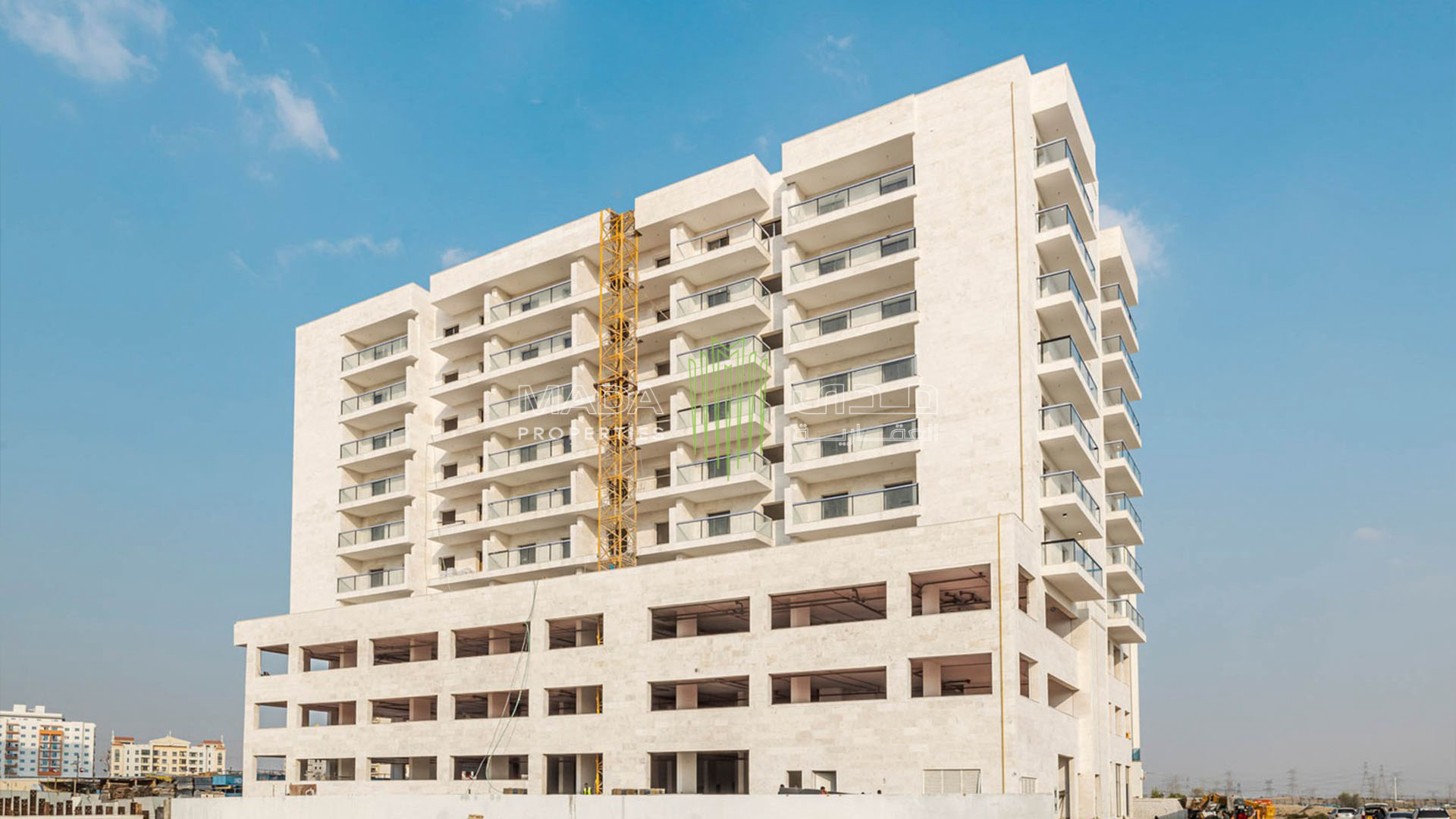
From ready-to-move-in homes to off-plan developments, your future starts here. Browse a curated collection of the most promising apartments and villas for sale in Dubai, selected by some of Dubai’s most trusted names in luxury real estate.










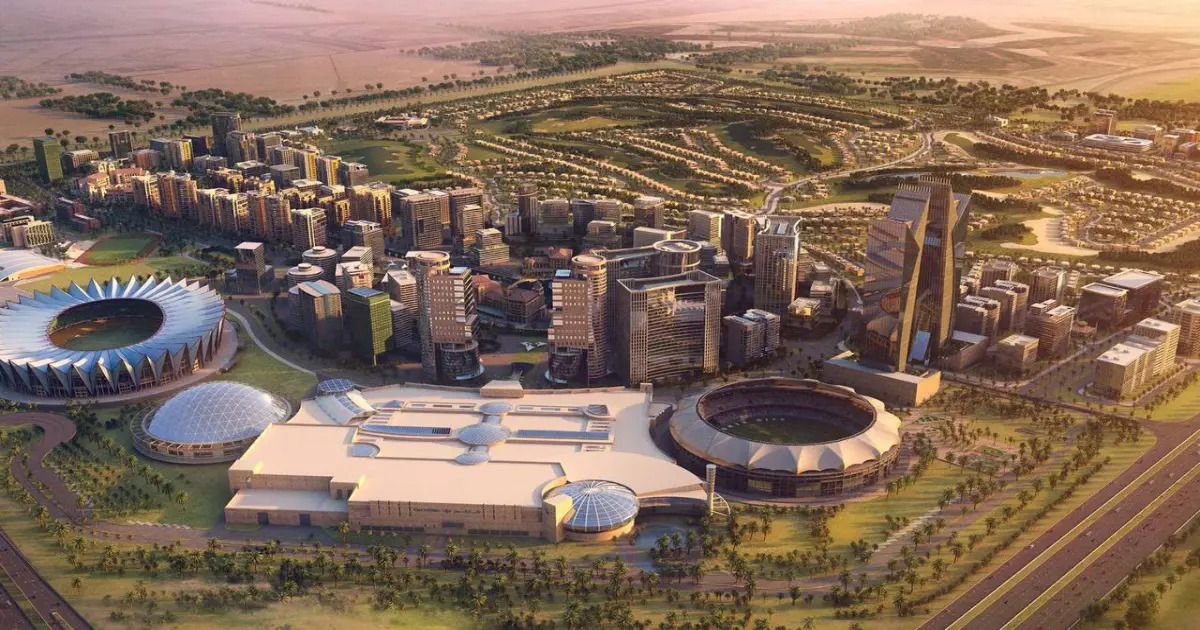
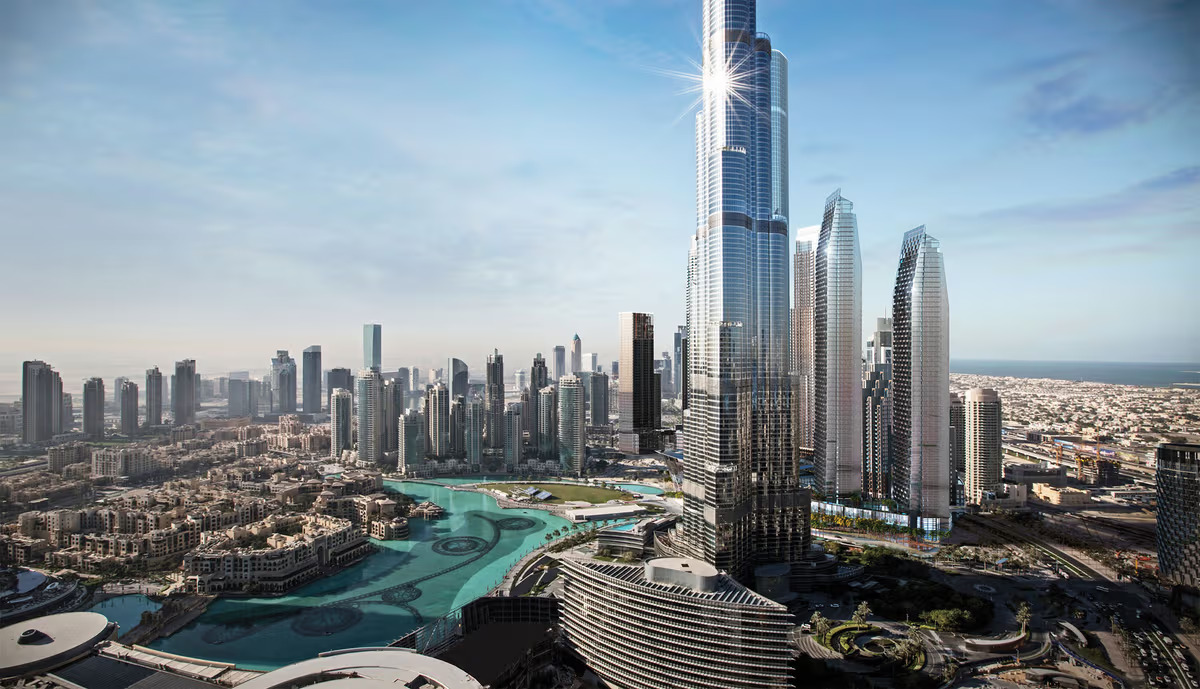
Explore Dubai's Top Communities
Every neighborhood in Dubai tells a different story-let’s find the one that speaks to you.






Are You an Owner or a Buyer?
We serve both with equal dedication.Whether you're looking to list your property or buy an apartment in Dubai, we handle every step-from accurate valuation to smooth handover.

Mada Blog - Real Insights for Smart Investors
In real estate, knowledge is everything.Our blog offers timely insights on real estate investment in Dubai, market analysis, legal updates, and tips to guide your property journey.

April 6, 2025
UAE’s New Tax Rules 2025: Key Changes for Foreign Investors & Investment Funds
The UAE Ministry of Finance has introduced new corporate tax regulations under Cabinet Decision No. 35 of 2025, replacing the previous Cabinet Decision No. 56 of 2023.
These updates clarify when foreign (non-resident) investors in Qualifying Investment Funds (QIFs) and Real Estate Investment Trusts (REITs) are considered to have a taxable nexus in the UAE.
The changes aim to enhance the UAE’s investment appeal, reduce compliance burdens, and align with global tax standards. This guide covers everything investors need to know about the new UAE tax rules, including exemptions, deadlines, and key implications.
Key Changes in UAE new tax rules (2025)
Tax Nexus for Non-Resident Investors in QIFs and REITs
Under the new rules, a foreign juridical investor will have a taxable presence in the UAE under specific conditions.
For Qualifying Investment Funds (QIFs)
Real Estate Threshold Breach (10% limit)
If a QIF exceeds the 10% real estate asset threshold, a tax nexus arises on:
- The dividend distribution date (if 80% or more income is distributed within 9 months of the financial year-end).
- The date of ownership acquisition (if the QIF fails to distribute 80% or more income on time).
Diversity of Ownership Condition Failures
A tax nexus is triggered in the same tax period where the QIF fails to meet ownership diversity rules.
For Real Estate Investment Trusts (REITs)
A non-resident investor in a REIT will have a taxable link if:
- The REIT does not distribute 80% or more of its income within 9 months of the fiscal year-end
- The nexus arises on the dividend date (if distributed) or the acquisition date (if undistributed)
Exemption
If a foreign investor only holds QIF/REIT shares and meets conditions, they will not be considered a taxable entity in the UAE.
Explore More: How to Buy Property in Dubai from the USA
New Tax Incentives to Boost Investments
Alongside Cabinet Decision No. 34 of 2025, the UAE introduced tax benefits for QIFs and Qualifying Limited Partnerships to attract global capital.
Preferential Tax Treatment for QIFs
Tax exemption applies if the fund meets:
- Real estate asset threshold (maximum 10%)
- Diversity of ownership conditions
- Grace period to fix ownership breaches (up to 90 cumulative days per year)
Fair Real Estate Income Taxation
If a QIF exceeds the 10% real estate limit, only 80% of real estate income is taxed (matching REIT rules).
Simplified Tax Compliance for Foreign Investors
Non-resident investors in REITs/QIFs only need to register for corporate tax on dividend distribution dates (reducing paperwork).
Tax-Transparent Status for Limited Partnerships
Some partnerships can now obtain pass-through tax status, aligning with international tax best practices.
Explore More: How to Buy Apartment in Dubai from Developer
Why These Changes Matter for Investors
Benefits for Foreign Investors
- Lower compliance costs - No UAE tax liability unless specific conditions are breached
- Clearer tax rules - Reduced uncertainty for fund managers and institutional investors
- Attractive exemptions - Encourages long-term investments in UAE funds
Advantages for Fund Managers
- Flexibility - Extended grace periods for ownership adjustments
- Competitive edge - UAE's tax regime now matches global financial hubs like Singapore and Luxembourg
Impact on UAE's Economy
The reforms reinforce the UAE's position as a top investment destination by:
- Boosting foreign capital inflows
- Enhancing trust in UAE's regulatory framework
- Supporting Vision 2031's economic diversification goals
Invest Now: New properties for sale in Dubai
FAQs on UAE’s New Tax Rules
1- When does a foreign investor owe UAE corporate tax?
Only if they invest in a QIF/REIT that breaches the 10% real estate limit or fails ownership diversity rules.
2- Are QIFs completely tax-exempt?
Yes, if they meet the real estate (10%) and ownership conditions.
3- What happens if a REIT doesn’t distribute 80% of income?
Investors face a tax nexus from the acquisition date (unless corrected within 9 months).
4- How does this affect existing investors?
No immediate changes—only new breaches trigger taxation.
Conclusion: UAE Strengthens Its Position as a Global Investment Hub
The 2025 UAE tax updates provide greater clarity, incentives, and ease of compliance for foreign investors in QIFs and REITs. By reducing tax burdens and aligning with global standards, the UAE continues to attract international capital and cement its status as a leading financial center.

April 3, 2025
Eid Al Adha 2025 in UAE: Expected Dates, Holidays & Travel Tips
When Is Eid Al Adha 2025 in the UAE?
Eid Al Adha, the "Festival of Sacrifice," is one of the most important Islamic holidays in the UAE. In 2025, Arafat Day is expected to fall on Sunday, June 15, followed by Eid Al Adha from Monday, June 16, to Wednesday, June 18. These dates correspond to Dhul Hijjah 9–12 in the Islamic calendar.
Key Dates for Eid Al Adha 2025 in UAE

The UAE government will confirm the exact dates closer to the event based on the moon-sighting committee’s announcement.
Why Is Eid Al Adha Celebrated?
Eid Al Adha commemorates Prophet Ibrahim’s willingness to sacrifice his son in obedience to God, who then provided a ram instead. The holiday involves:
- Eid prayers at mosques
- Qurbani (sacrificial slaughter) and meat distribution
- Family gatherings, feasts, and charity
Eid Al Adha Traditions in the UAE
- Wearing new clothes.
- Exchanging gifts (Eidiya).
- Visiting relatives & friends.
- Enjoying festive meals (like lamb mandi & biryani).
Will Eid Al Adha 2025 Fall on a Weekend?
No—the expected dates (June 15–18) fall from Sunday to Wednesday, meaning:
✅ 4 consecutive days off for most employees.
✅ No weekend overlap, so no lost holidays.
✅ Potential for extended leave if companies add extra days.
UAE Holiday Rules for Eid Al Adha
- Public & private sectors usually get the same holidays.
- Weekend holidays are not compensated for Eid (unlike other holidays).
- Free zones may have slight variations.
How to Prepare for Eid Al Adha 2025 in UAE
1. Book Qurbani Early
Many UAE platforms like Dubai Municipality, Al Mawashi, and Emirates Red Crescent allow online Qurbani bookings.
2. Plan Travel & Staycations
- International trips: Book flights early (popular destinations: Turkey, Georgia, Europe).
- Staycations: UAE hotels (Dubai, Ras Al Khaimah, Abu Dhabi) get fully booked.
3. Shopping & Appointments
- Eid clothing & gifts: Malls like Dubai Mall & Yas Mall have sales.
- Salon & spa bookings: Schedule in advance to avoid last-minute rush.
Eid Al Adha 2025 & School Holidays in UAE
Most UAE schools will likely close from June 15–18, aligning with the public holiday. Some may extend breaks if Eid overlaps with term dates.
FAQs About Eid Al Adha 2025 in UAE
1- What is the exact date of Eid Al Adha 2025?
Expected from June 16–18, subject to moon sighting.
2- How long is the Eid holiday in Dubai?
Likely 4 days (Sunday–Wednesday) for both public & private sectors.
3- Can I travel during Eid Al Adha?
Yes, but book flights & hotels early—prices rise closer to Eid.
4- Is Qurbani mandatory in the UAE?
For Muslims who can afford it, yes. Licensed butchers must perform it.
Eid Al Adha 2025 in the UAE is expected to bring a 4-day break (June 15–18), perfect for family time, travel, or staycations. Since dates depend on moon sightings, final confirmation will come in June. Start planning early to make the most of this festive season!

March 25, 2025
UAE’s New 100 Dirham Note: A Symbol of Progress & How It Benefits Real Estate Investors
The UAE Central Bank (CBUAE) has launched the new 100 dirham note, a polymer-based currency with advanced security features, marking a significant step in the nation’s financial evolution. For investors in UAE real estate, this update reflects the country’s commitment to innovation, sustainability, and economic growth—key factors that make the UAE a prime destination for property investment.
What’s New in the UAE’s 100 Dirham Note?
The new 100 dirham note is more than just a currency update—it’s a testament to the UAE’s vision for the future. Key features include:
- Polymer Material: More durable, eco-friendly, and resistant to wear.
- Enhanced Security: SPARK Flow and KINEGRAM COLORS technology to prevent counterfeiting.
- Inclusive Design: Braille symbols for the visually impaired.
- Landmark Imagery:
1- Front: Um Al Quwain National Fort (heritage symbol).
2- Back: Port of Fujairah and Etihad Rail (economic progress).
This redesign aligns with the UAE’s Third Issuance of the National Currency Project, following the award-winning Dh500 and Dh1,000 polymer notes.
Why Does This Matter for Real Estate Investors?
The new 100 dirham note isn’t just about cash—it signifies the UAE’s economic stability and growth, crucial for real estate markets. Here’s how:
A. Stronger Economy = Stronger Property Market
The UAE’s focus on sustainable finance (like polymer notes) mirrors its push for green buildings and smart cities, boosting property values.
Etihad Rail’s inclusion on the note highlights improved connectivity, increasing demand for real estate near transport hubs.
B. Increased Foreign Investment Confidence
Advanced anti-counterfeit measures reinforce the UAE’s reputation as a secure financial hub, attracting more foreign buyers to Dubai and Abu Dhabi properties.
The note’s release during Eid Al Fitr 2025 underscores the UAE’s cultural and economic appeal.
C. Cash Transactions in Real Estate
While digital payments rise, high-value property deals often involve cash transactions. The new 100 dirham note’s durability and security make large transactions safer.
Where to Invest in UAE Real Estate in 2025?
With the UAE's economy thriving, investors should consider these top areas for property investment: Dubai Marina offers luxury waterfront properties with high rental yields, while Abu Dhabi CBD features government-backed projects delivering stable ROI. Sharjah provides affordable housing options with growing expat demand, and Ras Al Khaimah presents tourism-driven growth opportunities with attractive freehold options.
Pro Tip: The new 100 dirham note’s durability means fewer replacements—just like investing in long-term, high-value properties in the UAE.
Conclusion: A Currency That Reflects UAE’s Real Estate Strength
The UAE new 100 dirham note is more than money—it’s a symbol of progress, security, and sustainability, much like the country’s real estate market. For investors, this reinforces the UAE’s position as a global property hotspot.
Ready to invest? Explore Mada Properties premium listings in Dubai, Abu Dhabi, and beyond!

Trending property searches
Explore the hottest and most searched listings right now.
- Projects
- Offplan Projects in UAE
- Ready Projects in UAE
- Appartments for Sale in UAE
- Exclusive Projects for Sale in UAE
- Commercial for Rent in UAE
- Commercial for Sale in UAE
- Residential Offplan Projects in UAE