Jan 13, 2026
Buying a house is one of the most significant financial decisions anyone can make. The excitement of finding your dream home can easily overshadow the complexities and hidden costs of buying a house that, if overlooked, could affect your budget significantly. Many buyers focus only on the property price, unaware of additional expenses that come with the purchase. Understanding these costs upfront ensures a smoother transaction, prevents unexpected financial stress, and helps maximize the long-term benefits of homeownership.
Whether you are buying your first home, upgrading, or investing in real estate, being aware of all the costs of buying a house is essential. From legal fees to surveys and closing costs, each element plays a crucial role in determining the total investment required.
When most people consider buying a house, they think mainly of the costs of buying a new home or the listed property price. However, the total financial commitment goes well beyond the sticker price. Buyers often face a series of additional expenses including, but not limited to, solicitors fees for buying a house, legal fees for buying a house, property surveys, insurance, taxes, and other transaction fees.
Failure to account for these costs can lead to unpleasant surprises, reduce your available cash, or even jeopardize your ability to finalize the purchase. Therefore, comprehensive planning is critical.
One of the first areas where buyers encounter hidden costs of buying a house is through legal and administrative obligations. Solicitors fees for buying a house and legal fees for buying a house cover a wide range of services: reviewing contracts, ensuring property title accuracy, handling the transfer of ownership, and verifying compliance with local regulations.
The average solicitors fees for buying a house vary depending on property value and complexity, but they typically represent a significant portion of your budget. Legal advice is not optional—these fees safeguard your investment, prevent potential disputes, and ensure that the transaction is legally binding.
For buyers paying in cash, it’s equally important to understand what fees are associated with buying a house cash, which may differ slightly from a mortgaged purchase. These can include notarization fees, property registration, and other mandatory governmental charges.
Another frequently overlooked element is the home buyers survey cost. A property survey assesses the condition of the home, identifies potential structural issues, and highlights areas requiring immediate attention or repair. Skipping this step may save money upfront, but it could result in significant unanticipated expenses in the future.
Surveys vary in scope and price. A basic valuation survey might cover the essentials, while a more detailed structural or homebuyer’s report could uncover hidden defects that may influence your purchasing decision. In short, this is an investment in knowledge and security.
Understanding the average closing costs for buyer is crucial. Closing costs typically include legal fees, title searches, transfer taxes, insurance, and sometimes agent commissions. On average, these costs can range from 2% to 5% of the property purchase price, but they may fluctuate depending on location, property type, and transaction specifics.
Including these in your budget prevents last-minute financial surprises. Remember that closing cost for buyer is not optional—it’s a mandatory part of finalizing the property purchase.
Even in markets with relatively low taxation, buyers must be prepared for government-mandated costs. These include property registration fees, stamp duties, or local taxes, which can significantly add to the upfront investment. While some fees might appear minor individually, their cumulative effect contributes to the overall hidden costs of buying a house.
Beyond the transactional fees, buyers must also consider ongoing costs associated with homeownership. These include home insurance, utilities, and property maintenance. In some cases, service fees for communal areas or homeowners’ associations can represent a sizeable recurring expense.
Ignoring these costs when calculating affordability can strain finances and impact the overall return on investment, especially for those purchasing property as an investment.
For a clear understanding, here’s a simplified breakdown of potential costs of buying a house beyond the property price:
By accounting for these, buyers gain a realistic view of the total investment required, reducing the risk of financial strain.
Even experienced buyers often underestimate the costs of buying a new home. To mitigate this, consider the following:
Being proactive in these areas not only saves money but ensures a smoother buying experience.
While mortgage-related costs are avoided when buying with cash, there are still essential expenses. What fees are associated with buying a house cash typically include registration fees, legal fees, surveys, and insurance. Cash buyers may also lose the leverage of financing flexibility, so careful budgeting remains critical.
Understanding average solicitors fees for buying a house and average closing costs for buyer allows you to plan effectively. Many of these costs are negotiable, and being informed helps in making strategic decisions, potentially saving thousands in unnecessary fees.
Moreover, buyers can prioritize which costs are essential versus optional, balancing immediate expenses with long-term benefits. For example, investing in a comprehensive home survey upfront could prevent costly repairs later.
Dubai has become one of the world’s most attractive destinations for real estate investment, offering strong returns, long-term value growth, and a highly regulated market. Investor-friendly laws, tax advantages, and high rental demand make Dubai appealing to both regional and international buyers.
What sets Dubai apart is the wide variety of investment options, from affordable off-plan apartments to premium townhouses in master-planned communities. Flexible payment plans, world-class infrastructure, and continuous urban development further strengthen the city’s position as a secure and profitable real estate hub.
Below are some standout projects that are particularly well-suited for property investment in Dubai.
Greenway 2 is a premium townhouse development located in Emaar South, one of Dubai’s fastest-growing communities. The project offers spacious 3 and 4-bedroom townhouses designed for modern family living, with open layouts and large windows that connect indoor spaces with nature.
Its strategic location near Expo City Dubai and Al Maktoum International Airport enhances long-term capital appreciation and rental potential. With a starting price of AED 2,700,000, Greenway 2 is ideal for investors seeking stability, lifestyle appeal, and future growth.
ELO at Damac Hills 2 is an excellent entry-level investment opportunity in Dubai’s residential market. The project features well-designed 1 and 2-bedroom apartments surrounded by green landscapes and community amenities.
Starting from AED 546,000, ELO is particularly attractive for investors targeting high rental demand and affordability. Its connectivity to major roads and growing popularity among young professionals and small families support consistent rental yields.
Verdes by Haven is a nature-inspired residential project developed by Aldar, located in Dubailand. The project offers a selection of 1 to 3-bedroom apartments and duplex units within a smart, eco-focused community.
With prices starting from AED 990,000, Verdes combines modern design, peaceful surroundings, and excellent accessibility to key destinations such as Global Village, Downtown Dubai, and Dubai International Airport. This balance makes it a strong option for both end-users and long-term investors.
Aurora by Binghatti is located in Jumeirah Village Circle (JVC), one of Dubai’s most in-demand areas for rental properties. The project offers studios, 1-bedroom, and 2-bedroom apartments with distinctive architectural design and efficient layouts.
With a starting price of AED 708,000, Aurora presents a solid investment opportunity for buyers seeking quick rental absorption and steady returns. Easy access to Al Khail Road and strong tenant demand in JVC further enhance its investment appeal.
Mada Properties is a trusted real estate marketing company that puts your goals first. We provide unbiased guidance based on real market data, helping you choose properties that truly match your budget, lifestyle, or investment plans—without promoting specific developers.
Transparency is at the core of our work. We clearly explain pricing, processes, and potential costs, allowing you to make confident and informed decisions while avoiding common pitfalls.
From the first consultation to final handover, Mada Properties offers professional support and honest advice, ensuring a smooth and secure real estate experience built on trust and long-term value.
The hidden costs of buying a house can be significant if not properly anticipated. From legal and administrative fees to surveys, insurance, and closing costs, these expenses are an inseparable part of the property purchase process. By thoroughly researching, budgeting, and seeking professional guidance, buyers can make informed decisions, protect their investment, and avoid financial surprises.
Buying a home is not just a transaction—it’s a long-term commitment. Awareness of every possible cost ensures confidence, security, and ultimately, satisfaction in your new home. Proper preparation transforms potential obstacles into manageable steps, making homeownership a truly rewarding experience.
Hidden costs of buying a house include legal fees, solicitors fees, home buyer survey costs, closing costs, registration fees, taxes, insurance, and ongoing maintenance expenses beyond the property price.
Solicitors fees for buying a house usually range between 1% and 2% of the property value, depending on the complexity of the transaction and the legal services required.
Yes, legal fees for buying a house are essential. They cover contract review, ownership transfer, title checks, and ensure the purchase complies with local laws, protecting the buyer from future disputes.
The home buyers survey cost varies based on the survey type, but it is highly recommended. It identifies structural issues, repairs, and defects that could lead to high expenses after purchase.
Average closing costs for buyer typically include legal fees, property registration, title transfer, government taxes, and administrative charges, usually totaling 2%–5% of the purchase price.
Even when buying with cash, buyers must pay legal fees, property registration fees, survey costs, insurance, and government charges. Mortgage-related costs are avoided, but other expenses still apply.
Yes, ongoing costs include home insurance, utilities, regular maintenance, and in some cases homeowners association or service fees, which should be considered when planning your budget.
In real estate, knowledge is everything.Our blog offers timely insights on real estate investment in Dubai, market analysis, legal updates, and tips to guide your property journey.
January 11, 2026
Dubai has long positioned itself as a global destination for real estate investment, but not every project offers the same balance of lifestyle, returns, and long-term value. Among the emerging developments reshaping investor expectations, damac district investment stands out as a forward-looking opportunity that aligns perfectly with modern living and business needs.
In a city driven by innovation, DAMAC District represents more than just a property purchase. It reflects a strategic decision to invest in a mixed-use ecosystem designed around productivity, lifestyle, and sustainability. Backed by DAMAC Properties, one of the most established names in the UAE real estate market, this project answers the growing demand for integrated “live, work, play” communities.
Whether you are an end-user, an entrepreneur, or a global investor exploring DAMAC Dubai investment opportunities, DAMAC District offers a compelling value proposition worth serious consideration.
DAMAC District is a mixed-use off-plan development located within DAMAC Hills, one of Dubai’s most recognized master-planned communities. The project is carefully designed to merge residential living with professional workspaces, all within one self-sufficient environment.
Unlike traditional developments that separate housing from offices, DAMAC District introduces a future-oriented urban model. Residents can live, work, collaborate, and relax without leaving the community. This integrated approach significantly increases demand from professionals, remote workers, startups, and investors seeking properties with high occupancy potential.
The project includes modern 1 and 2-bedroom apartments alongside flexible office spaces, creating a diverse real estate offering that appeals to multiple market segments.
The appeal of damac district investment lies in its ability to combine lifestyle convenience with solid financial fundamentals. Dubai’s real estate market continues to benefit from strong population growth, investor-friendly regulations, and increasing demand for well-located off-plan properties.
DAMAC District aligns with these trends by offering:
Additionally, the project’s scheduled completion in Q3 2029 allows investors to enter the market early, benefiting from price appreciation during construction phases.
When evaluating any real estate investment, the developer’s reputation plays a critical role. DAMAC Properties has established itself as a cornerstone of Dubai’s luxury real estate sector, with a proven track record spanning more than two decades.
Known for delivering large-scale communities, branded residences, and iconic towers, DAMAC Properties consistently demonstrates its ability to execute complex projects while maintaining high design and construction standards. This reliability significantly reduces investment risk and enhances buyer confidence.
For investors analyzing DAMAC Dubai investment options, DAMAC District benefits directly from the developer’s experience, market credibility, and strong brand recognition.
DAMAC District is strategically located within DAMAC Hills, a golf-centric community offering green landscapes, leisure facilities, and excellent connectivity. Accessibility plays a major role in investment success, and this location delivers on all fronts.
Residents and businesses enjoy easy access to Hessa Street (D61), connecting them efficiently to key areas across Dubai. Public transport options, including nearby bus stops and taxi services, further enhance mobility.
Key nearby destinations include:
This level of connectivity supports high rental demand and ensures long-term desirability.
DAMAC District offers a carefully curated selection of unit types designed to meet modern lifestyle and business needs.
The residential component includes 1 and 2-bedroom apartments with contemporary layouts, open living spaces, balconies, and modern kitchens. Unit sizes range from approximately 627 sq. ft. to over 1,600 sq. ft., providing flexibility for both individuals and small families.
These apartments are ideal for owner-occupiers seeking convenience or investors targeting long-term rental income.
Office units are designed as highly customizable, core-and-shell spaces. This allows businesses to tailor layouts according to operational requirements, making them attractive to startups, entrepreneurs, and established firms.
Office sizes range from approximately 1,163 sq. ft. to over 3,100 sq. ft., catering to a wide range of commercial uses.
One of the strongest value drivers behind damac district investment is the comprehensive amenities offering. The development goes beyond standard facilities, introducing features that support wellness, productivity, and social interaction.
Residential amenities include landscaped gardens, organic pools, yoga areas, BBQ zones, children’s play areas, and relaxation lounges. For professionals, the project integrates co-working hubs, meeting pods, and indoor collaboration spaces.
The presence of an AI-powered gym, wellness areas, and easy access to DAMAC Mall further enhances the overall lifestyle experience. These features increase tenant satisfaction, retention rates, and rental stability.
DAMAC District offers a structured and investor-friendly payment plan:
This phased approach allows investors to manage cash flow efficiently while securing a premium asset early. Compared to ready properties, off-plan investments often offer better entry prices, making damac properties dubai price within DAMAC District particularly competitive for long-term investors.
Dubai’s off-plan market has consistently demonstrated strong performance, particularly in master-planned communities. DAMAC Hills, as an established location, continues to attract tenants and buyers seeking quality living environments.
The mixed-use nature of DAMAC District diversifies income streams. Investors can choose between residential leasing, office rentals, or a combination of both. This flexibility reduces dependency on a single market segment and improves portfolio resilience.
With Dubai’s continued economic growth and increasing demand for flexible living and working environments, DAMAC Dubai investment opportunities like DAMAC District are well-positioned for sustained appreciation.
Beyond financial returns, DAMAC District offers a lifestyle that appeals to modern urban residents. The integration of workspaces within a residential environment reflects global shifts toward hybrid work models.
Residents enjoy peaceful green surroundings, access to leisure activities, proximity to schools and healthcare facilities, and vibrant social spaces. This balance between comfort and productivity makes the community attractive to long-term tenants and owner-occupiers alike.
Choosing damac district investment means aligning with Dubai’s future urban vision. The project embodies sustainability, smart design, and community-driven planning, all within a trusted development framework.
For investors seeking exposure to a high-demand location, a reputable developer, and a forward-thinking concept, DAMAC District offers a rare combination of stability and growth.
Dubai continues to rank among the world’s most attractive real estate markets, offering a rare combination of strong rental yields, tax-free income, long-term residency incentives, and world-class infrastructure. The city’s off-plan property market, in particular, allows investors to enter at competitive prices while benefiting from flexible payment plans and capital appreciation before handover.
Strategic locations, reputable developers like DAMAC, and high demand from residents, tourists, and businesses make Dubai real estate a powerful tool for both income generation and wealth preservation. Below are standout projects that represent strong investment opportunities across different lifestyles and budgets.
The Sapphire is a landmark luxury development located directly on Sheikh Zayed Road, one of Dubai’s most valuable and high-demand addresses. The project offers a diverse range of units, including 1 to 3-bedroom apartments, townhouses, and ultra-luxury penthouses, all with panoramic city and sea views.
From an investment perspective, the project benefits from unmatched connectivity, proximity to Dubai’s business districts, and consistent demand for premium residences along Sheikh Zayed Road. Its starting price of AED 2,160,000 positions it as a high-end asset with strong capital appreciation and long-term rental appeal.
Golf Greens is located within the established DAMAC Hills community, overlooking the Trump International Golf Course. The project offers 1 to 3-bedroom apartments and select townhouse options, combining green views with resort-style living.
This development is ideal for investors targeting steady rental income, as golf-facing properties in DAMAC Hills attract long-term tenants and lifestyle-driven buyers. With a starting price of AED 1,060,000 and a planned handover in Q1 2027, Golf Greens offers an accessible entry point into a proven community with strong demand fundamentals.
Canal Crown is a branded luxury residential tower located in Business Bay, directly overlooking the Dubai Water Canal. Designed in collaboration with de GRISOGONO, the project features distinctive architecture and premium interiors across 1 to 4-bedroom apartments.
Its location near Downtown Dubai and major commercial hubs makes it highly attractive for both short-term and long-term rentals. Starting from AED 1,120,000, Canal Crown appeals to investors seeking brand-driven demand, central positioning, and strong resale potential in one of Dubai’s most active real estate zones.
Morocco at DAMAC Lagoons is a themed townhouse and villa community inspired by Moroccan architecture and lifestyle. The project offers spacious 4 to 6-bedroom homes within a master-planned waterfront environment filled with leisure, cultural, and wellness amenities.
With starting prices from AED 2,850,000 and handover expected in Q4 2026, this project is well-suited for investors targeting family-oriented tenants and end-users seeking experiential living. DAMAC Lagoons has proven to be one of the most in-demand communities for townhouses, supporting long-term value growth and rental stability.
Mada Properties provides investors with clear, data-backed guidance in Dubai’s competitive real estate market. We focus on analyzing project fundamentals such as location strength, developer credibility, pricing, payment plans, and long-term demand—so our clients invest based on facts, not hype.
We do not push specific developers or listings. Instead, we help investors identify opportunities like DAMAC District that align with real market trends, mixed-use demand, and future growth potential. Our role is to simplify complex decisions, highlight real risks and returns, and ensure every client invests with confidence, transparency, and a long-term vision.
In a competitive real estate market, informed decisions make all the difference. DAMAC District is not just another off-plan project; it is a carefully planned investment ecosystem backed by DAMAC Properties and positioned within one of Dubai’s most established communities.
From flexible payment plans and strong location fundamentals to modern amenities and mixed-use functionality, the project addresses both current market needs and future demand. When evaluating damac properties Dubai price and long-term value, DAMAC District emerges as a compelling choice for investors seeking sustainable returns.
For those exploring DAMAC Dubai investment opportunities, DAMAC District represents a smart, future-ready step into Dubai’s evolving real estate landscape.
Yes. DAMAC District offers a mixed-use concept within DAMAC Hills, combining residential and office units, which increases rental demand, income diversification, and long-term capital growth potential.
The project includes 1 and 2-bedroom apartments and flexible office spaces, suitable for investors targeting residential leasing, commercial tenants, or both.
The payment plan is investor-friendly: 20% down payment, 40% during construction, and 40% upon handover, allowing better cash flow management.
The project is scheduled for handover in Q3 2029, giving investors time to benefit from price appreciation during the construction phase.
DAMAC Hills is a well-established master community with strong connectivity, green spaces, leisure facilities, and consistent rental demand, supporting long-term property value.
DAMAC District is developed by DAMAC Properties, one of Dubai’s most established developers with a long track record of delivering large-scale communities and investment-grade projects.
January 7, 2026
Dubai has long been recognized as a global destination for high-end real estate, but few developments manage to redefine expectations the way damac islands homes in dubai do. This visionary project represents a new chapter in luxury waterfront living, combining exclusivity, architectural excellence, and long-term investment potential within one master-planned island community. Designed for discerning buyers and investors, Damac Islands delivers more than residences—it offers a lifestyle shaped by privacy, prestige, and innovation.
As demand for premium waterfront properties continues to rise, Damac Islands has positioned itself as one of the most talked-about destinations for luxury ownership in the emirate. From expansive villas to refined townhouses, the project appeals to both end users and investors seeking sustainable value in Dubai’s evolving real estate market.
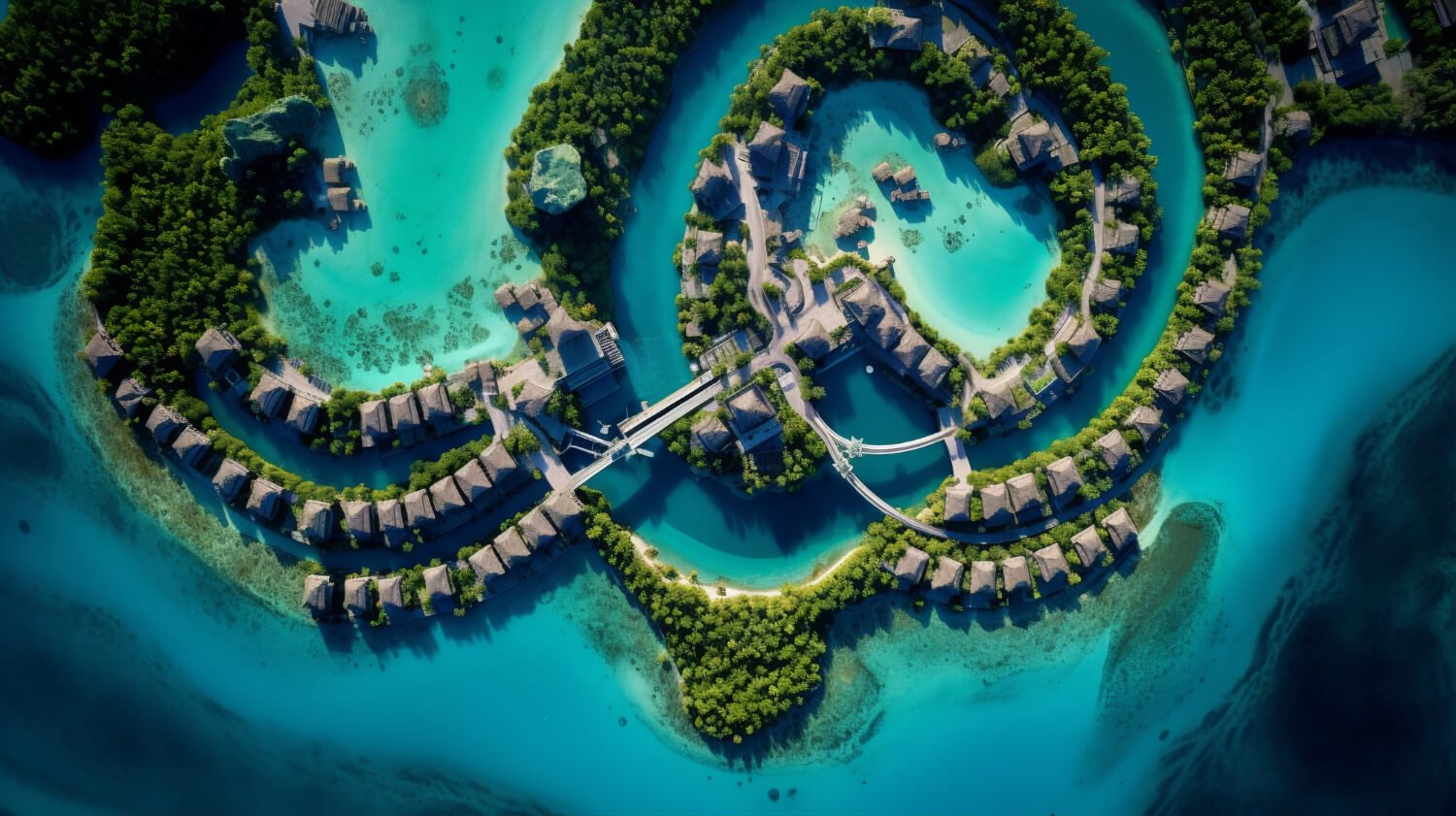
The vision of damac island dubai is rooted in creating a self-contained island environment where luxury living meets natural serenity. Unlike conventional developments, Damac Islands is structured around curated island clusters, water features, and resort-style amenities that elevate everyday living into an immersive experience.
Each home is thoughtfully positioned to maximize views, privacy, and accessibility while maintaining harmony with the surrounding landscape. This careful balance between exclusivity and connectivity is what makes Damac Island a standout destination among Dubai’s luxury communities.
One of the most compelling strengths of the project is the damac islands location. Strategically placed in the Dubailand area of Dubai, near Exit 36 on Emirates Road (E611), the community offers seamless access to major highways, business districts, and lifestyle destinations, while still maintaining the calm and privacy expected from island living.
Residents benefit from proximity to key hubs such as Dubai Marina, Palm Jumeirah, and major international airports. This location not only enhances daily convenience but also supports long-term capital appreciation, making Damac Islands highly attractive for global investors looking for prime real estate assets.
The damac islands plan reflects a forward-thinking approach to urban luxury. The master plan integrates residential zones, leisure spaces, waterfront promenades, and green landscapes into a cohesive environment designed for comfort and longevity.
Every element of the community is designed to support a balanced lifestyle, from wellness facilities and private beach access to retail, dining, and social spaces. This integrated planning ensures that residents experience both exclusivity and convenience without leaving the island.
damac island phase 1 represents the initial launch that introduced the core identity of the project. This phase focuses on establishing premium residential clusters with signature architectural styles, setting the tone for the entire development.
Phase 1 homes are characterized by refined layouts, premium materials, and direct access to lifestyle amenities. As the first phase, it has drawn significant attention from early investors who recognize the value of entering a landmark project at its foundational stage.
Building upon the success of the first launch, damac island phase 2 expands the community with new residential offerings and enhanced amenities. This phase introduces more diverse layouts and design concepts while maintaining the same standards of luxury and craftsmanship.
Phase 2 reflects the evolution of buyer preferences, offering smarter layouts, enhanced privacy, and upgraded communal spaces. Its release has further strengthened investor confidence in the long-term growth of Damac Islands as a premium address.
Among the most sought-after offerings within the project are damac islands villas for sale. These villas are designed for buyers who value space, privacy, and architectural distinction. Each villa features expansive interiors, private outdoor areas, and seamless indoor-outdoor living.
The villas cater to families, high-net-worth individuals, and investors seeking flagship assets within Dubai’s luxury market. Their exclusivity and limited availability contribute significantly to their strong resale and rental potential.
The appeal of luxury villas in damac islands lies in their meticulous design philosophy. Floor-to-ceiling windows, open-plan layouts, and premium finishes define each residence, while natural light and water views create an atmosphere of calm sophistication.
Architectural elements blend modern aesthetics with timeless elegance, ensuring that the homes retain long-term desirability. These villas are not trend-driven; they are designed to remain relevant and valuable for decades.
In addition to villas, damac islands townhouses offer an attractive alternative for buyers seeking refined living with efficient layouts. These homes combine luxury finishes with practical design, making them ideal for professionals, families, and investors alike.
Townhouses within Damac Islands provide access to the same world-class amenities as villas, while offering a more accessible entry point into the community. Their strong rental appeal makes them particularly attractive for income-focused investors.
The portfolio of damac islands luxury properties reflects the developer’s commitment to quality, exclusivity, and innovation. Every residence is positioned as both a lifestyle choice and a long-term asset, benefiting from Dubai’s investor-friendly environment.
With rising demand for branded and waterfront communities, Damac Islands stands out as a project aligned with global luxury real estate trends. Its limited supply and premium positioning support steady appreciation and resilient market performance.
One of the factors driving interest is the flexible damac islands payment plan, designed to accommodate both local and international buyers. Structured payment schedules reduce upfront pressure and make luxury ownership more accessible without compromising quality.
These plans appeal particularly to investors seeking capital efficiency while securing prime assets in a competitive market. Payment flexibility also supports higher transaction volumes, contributing to the project’s overall liquidity.
Purchasing property in DAMAC Islands involves working with DAMAC Properties or their authorized agents. Buyers can choose from luxury villas or townhouses, secure financing, and follow structured payment plans—typically 25% during construction and 25% on completion. Foreign investors can fully own property in designated Dubai freehold areas, but it’s important to understand deposit requirements and agent fees.
Living in Damac Islands is about more than architecture—it’s about lifestyle immersion. Residents enjoy private beaches, landscaped walkways, wellness facilities, and curated leisure experiences designed to elevate everyday life.
The island environment encourages a sense of retreat while remaining connected to Dubai’s urban energy. This balance is a major reason why Damac Islands appeals to both permanent residents and second-home buyers.
The future outlook for damac islands homes in dubai remains highly positive. Dubai’s continued population growth, strong tourism sector, and government-backed investment initiatives support sustained demand for luxury properties.
As waterfront land becomes increasingly scarce, island communities like Damac Islands are expected to command premium valuations. This positions the project as not only a lifestyle destination but also a strategic long-term investment.
Dubai’s real estate market is synonymous with luxury, innovation, and prime locations. For investors and homeowners seeking modern designs, world-class amenities, and a lifestyle that matches the city’s vibrant energy, these projects stand out as prime choices. Here’s a look at some of the most distinguished developments by Damac Properties.
ELO at Damac Hills 2 is an oasis of greenery offering 1 and 2-bedroom apartments designed for modern living. Nestled within lush landscapes, the project provides a serene environment while keeping residents connected to Dubai through major roads. ELO combines contemporary interiors with high-end amenities, allowing residents to enjoy comfort, convenience, and a lifestyle in harmony with nature. Prices start from AED 546,000, with handover expected in Q3 2023.
The Sapphire offers a statement of luxury along Sheikh Zayed Road, overlooking the Arabian Gulf. The project includes 1, 2, and 3-bedroom apartments, 2-bedroom townhouses, and 4 & 5-bedroom penthouses, providing a diverse selection for homeowners. Residents benefit from a prime location, top-tier amenities, and proximity to Dubai’s business and leisure hubs. Prices begin at AED 2,160,000, with handover in Q3 2023.
Golf Greens is a nature-inspired community designed around world-class golf courses, including Trump International Golf Club. The project features 1 and 2-bedroom apartments and 2 and 3-bedroom townhouses, all offering scenic views of landscaped meadows and water features. Residents enjoy amenities such as swimming pools, gourmet restaurants, fitness centers, and leisure spaces that ensure a balanced lifestyle. Prices start at AED 1,060,000, with handover in Q1 2027.
Damac Canal Crown by De Grisogono brings a new level of sophistication to Dubai Business Bay. The development offers 1 to 4-bedroom apartments with exquisite designs and luxurious finishes. Located near the city’s key attractions, residents have access to premium amenities that include fitness centers, lounges, and entertainment spaces. Prices start at AED 1,120,000, with handover in Q3 2023, making it an ideal choice for those seeking urban luxury with an elevated lifestyle.
Mada Properties offers expert guidance and market insight, helping clients find the right property for investment or lifestyle. They provide personalized advice, simplify transactions, and handle all legal and payment processes, making buying or investing smooth and hassle-free. With a reputation for trust, transparency, and professionalism, Mada Properties ensures every client secures the best property with confidence.
Damac Islands represents a rare convergence of location, design, exclusivity, and investment strength. Whether exploring villas, townhouses, or long-term opportunities, buyers are entering a community built to stand the test of time.
For those seeking refined island living or a high-performing real estate asset, Damac Islands delivers on every level—setting a new benchmark for luxury living in Dubai.
Damac Islands offers luxury villas, townhouses, and waterfront properties designed for comfort, privacy, and opulence.
Damac Islands is strategically located near Dubai Marina, Jumeirah Beach Residence (JBR), and Palm Jumeirah, with easy access to Sheikh Zayed Road.
Flexible payment plans are offered, allowing buyers to invest with installments tailored to suit individual budgets and timelines.
Yes, these luxury properties offer high ROI potential, strong rental yields, and significant capital appreciation due to limited supply and prime location.
Mada Properties provides expert guidance, market insight, personalized advice, and manages all legal and financial processes, making property acquisition seamless.
January 4, 2026
Is it actually possible to buy property in Dubai from Australia?" As a leading consultant for international investors at Mada Properties, I hear this question frequently. My answer is always a resounding yes—and it's more straightforward than you might think. With a transparent regulatory framework, tax-free income, and high rental yields, Dubai has become a premier destination for savvy Australian investors and expats looking to diversify their portfolios or secure a second home.
This comprehensive guide will walk you, step-by-step, through everything you need to know about purchasing real estate in Dubai from Australia, covering legalities, financing, the buying process, and how to avoid common pitfalls.
Australian investors are drawn to Dubai for compelling, financial, and lifestyle reasons that offer a stark contrast to the domestic market.
Absolutely. Australian citizens have the same property ownership rights as other foreign nationals in designated freehold areas.
You can complete a purchase in as little as 30-45 days. Here’s your roadmap:

Yes, Australian expats and non-residents can secure financing.
For Australian investors looking to buy property in Dubai, timing and location are crucial factors. We highlight select developments that combine strategic positioning, clear delivery timelines, and strong investment value—whether for rental income or personal use.
Dubai offers a range of new projects that perfectly align with the Australian investor's needs, from competitively priced apartments to high-end villas. These are not just properties; they are calculated opportunities for high rental yields and sustained capital growth within Dubai's dynamic market.
Why it fits Australian buyers: MAG 330 project offers an excellent entry point. Its location in City of Arabia, Dubailand, with easy access to Sheikh Mohammed Bin Zayed Road and proximity to Global Village, ensures strong rental demand from residents and tourists alike, translating to an attractive investment yield for Australian portfolios.
Why it fits Australian buyers: Rivana project embodies the spacious, family-oriented lifestyle many Australians seek. Its investment value surpasses the AED 2 million Golden Visa threshold, opening a pathway to long-term UAE residency—a key attraction for families and long-term investors from Australia.
Why it fits Australian buyers: Targeted at high-net-worth investors, the Oasis by Emaar project represents an exceptional real estate asset. It combines total privacy, premium design, and Emaar's global reputation, making it an ideal choice for diversifying a portfolio with premium Dubai real estate.
Why it fits Australian buyers: It caters to the innate Australian love for coastal living. Bayview by Address Resorts Located in the prestigious Dubai Harbour with panoramic sea views and direct beach access, it offers high rental potential from both tourism and the luxury long-term market, as well as superb suitability for personal use.
One of the biggest concerns for offshore investors is management. Mada Properties offers comprehensive property management services:
This hands-off approach allows you to enjoy passive income without the day-to-day hassle.
Buying property in Dubai from Australia is a logical and accessible process when guided by experts. The combination of a transparent legal system, high returns, tax benefits, and a pathway to residency makes it an unmissable opportunity for astute Australian investors.
At Mada Properties, we specialize in guiding Australian clients through every single step—from initial market education and virtual viewings to securing financing, handling remote registration, and providing ongoing property management. We turn a complex cross-border transaction into a seamless experience.
Ready to explore your options in the Dubai real estate market? Contact Mada Properties today for a personalised consultation and receive our exclusive "Australian Investor's Guide to Dubai Property." Let's build your investment future together.
No. The entire process can be handled remotely with the help of a trusted, RERA-licensed agency like Mada Properties using Powers of Attorney and digital services.
A: Yes. A property purchase of AED 2 million or more qualifies you for a 10-year Golden Visa, subject to meeting all DLD criteria.
A: For diversification, high yield, and capital growth potential in a stable market, Dubai presents a compelling opportunity, especially compared to the saturated Australian market.
A: It depends on your goals. Families favour Dubai Hills Estate and Arabian Ranches. Investors and professionals look at Downtown Dubai, Business Bay, and Dubai Marina. For luxury, Palm Jumeirah is iconic.